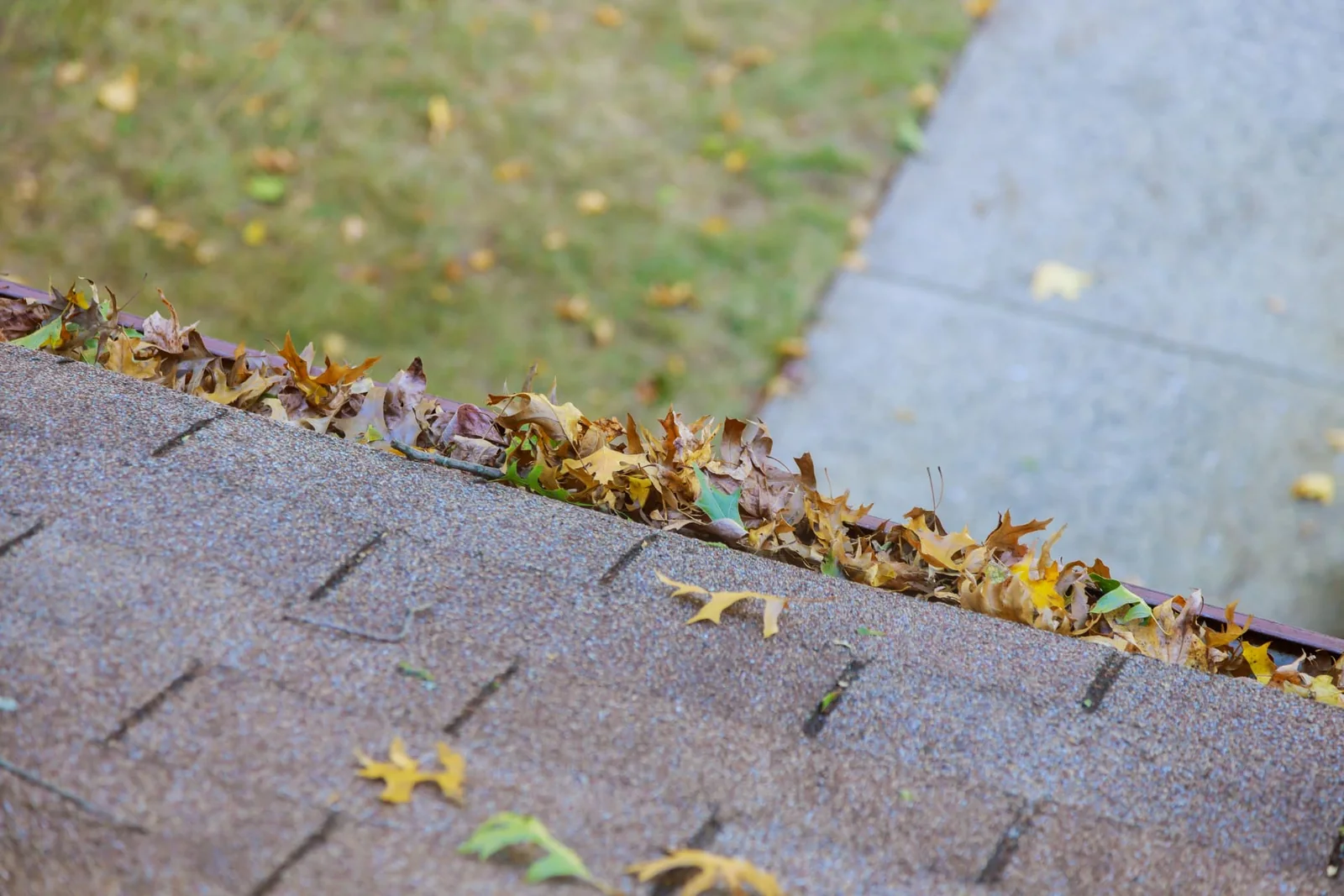
Because rain gutters sit tucked away along the high roofline of your home—out of sight and out of mind—gutter cleaning is easily the most procrastinated chore in residential home maintenance. When your windows are dirty or your concrete patio is stained green with algae, you see the problem every time you pull into the driveway or step into the backyard. When your gutters are packed to the brim with rotting oak leaves, pine needles, and shingle grit, however, you usually can’t see the clog from the ground.
Until a heavy Midwest thunderstorm rolls in.
Suddenly, waterfalls of murky water are cascading over the front porch, gouging trenches into your flowerbeds, splattering mud across your clean lower windows, and pooling right against your concrete foundation walls.
Many homeowners view gutters as a minor architectural trim piece, but they are actually the centerpiece of your home’s hydrostatic water management system. For every 1 inch of rain that falls on an average 2,000-square-foot roof, your gutter system has to capture and safely divert roughly 1,250 gallons of water. Over a typical Missouri year with 42 inches of rainfall, that equals more than 52,000 gallons of water pouring off your roof!
If you’ve ever wondered what happens if you don’t clean gutters, the short answer is simple: those 52,000 gallons of water have to go somewhere—and they will find their way into your roof decking, behind your siding, and underneath your basement slab.
Here are the 7 most destructive, costly home disasters caused by clogged gutters, along with a realistic look at what each repair costs compared to routine seasonal maintenance.
Cost Comparison: Routine Gutter Cleaning vs. Neglect Repairs
Before breaking down the structural mechanics of water damage, look at the financial math of preventative gutter maintenance versus emergency structural remediation:
| Structural Issue Caused by Clogged Gutters | Average Repair / Replacement Cost | Preventable with $150–$300 Gutter Cleaning? |
|---|---|---|
| Rotted Fascia & Soffit Board Replacement | $1,200 – $3,500 | Yes (100%) |
| Roof Decking Rot & Shingle Edge Repair | $1,500 – $6,000+ | Yes (100%) |
| Collapsed / Torn-Down Seamless Gutters | $1,800 – $4,200 | Yes (100%) |
| Winter Ice Dam Interior Ceiling Leak Repair | $2,000 – $5,500 | Yes (100%) |
| Basement Waterproofing & Sump Pump Failure | $3,500 – $10,000+ | Yes (Primary Cause) |
| Foundation Crack Piering & Stabilization | $5,000 – $25,000+ | Yes (Primary Cause) |
| Termite, Carpenter Ant, or Rodent Extermination | $500 – $2,500 | Yes (Eliminates Nesting) |
The Domino Effect of a Clogged Downspout
How does a handful of autumn leaves turn into a five-figure structural repair bill? Every gutter disaster starts at the same bottleneck: the downspout outlet.
Most homeowners assume gutters clog evenly along their entire length. In reality, trouble almost always starts at the narrow 2×3-inch or 3×4-inch drop outlet where the horizontal gutter trough meets the vertical downspout elbow. A few maple winged seeds (“helicopters”), sweetgum balls, or oak leaves lodge crosswise inside the elbow.
Once that initial screen forms, it catches roof shingle granules, windblown dust, and decomposing organic sludge. Within weeks, water can no longer drain down the pipe. Instead, the entire gutter trough turns into a stagnant, overflowing trough of water and mud—triggering seven distinct types of property damage.
Disaster #1: Foundation Cracks and Hydrostatic Basement Flooding
The single most expensive consequence of neglected gutters occurs 10 to 30 feet below your roofline: foundation destabilization and basement leaks.
How Gutters Protect Your Foundation
Your downspouts are engineered to carry roof runoff away from the perimeter of your house and discharge it several feet away from the foundation backfill zone. When gutters clog and overflow directly over the top lip, thousands of gallons of water plummet straight down into the soil immediately hugging your foundation walls.
The Danger of Expansive Clay Soil and Hydrostatic Pressure
Throughout St. Charles County, St. Louis County, and much of the Midwest, residential foundations sit in heavy expansive clay soil. When clay soil becomes hypersaturated from overflowing gutters, two destructive forces go to work:
- Hydrostatic Pressure: Saturated soil expands dramatically and exerts thousands of pounds of lateral force against your poured concrete or concrete-block basement walls. Over time, this pressure bows basement walls inward, opens up horizontal and stair-step structural cracks, and forces water through the floor-wall cove joint—flooding finished basements and overwhelming sump pumps.
- Freeze-Thaw Heaving & Settlement: In winter, water-logged soil next to your foundation freezes and expands upward (“frost heave”). In dry summer droughts, that same soil shrinks away, causing the footing of your house to settle unevenly, which cracks interior drywall, jams door frames, and fractures exterior brickwork.
Disaster #2: Rotted Fascia Boards, Soffits, and Roof Decking
Your gutters are fastened directly to the fascia board—the horizontal wooden or aluminum-wrapped trim board that caps the ends of your roof rafters. Tucked directly underneath the fascia is the soffit, which provides critical attic ventilation.
When a gutter is clogged with wet, decaying leaves, water cannot escape down the spout. As water fills the gutter trough to the brim, it sloshes backward over the rear lip of the gutter:
- Even if your home has a metal drip edge, standing water trapped in a clogged gutter wicks upward via capillary action underneath the bottom row of asphalt roof shingles.
- This constant moisture saturates the wooden OSB or plywood roof decking, causing the lower two feet of your roof structure to sponge up water, delaminate, and rot away.
- Simultaneously, water pours down the back of the gutter onto the wooden fascia board and fills the soffit panels. Within a single season of chronic overflow, fascia wood turns soft and spongy, paint peels away in sheets, and toxic black mold begins growing inside the eaves and attic overhang.
Disaster #3: Torn-Down, Sagging, and Collapsed Gutters
Seamless aluminum gutters are remarkably light, engineered to support flowing rainwater that drains immediately. They are not engineered to support hundreds of pounds of wet mud, decomposing leaf compost, and standing water.
1 Gallon of Water = 8.34 lbs
A 40-foot gutter run holding 15 gallons of water plus wet compost sludge adds 150 to 250+ lbs of dead weight hanging directly off your fascia screws!
When 200+ pounds of wet debris sits inside a 40-foot gutter run week after week:
- Lost Pitch: The aluminum trough sags in the middle, destroying the precise 1/4-inch-per-10-feet slope required for water to flow toward the downspout. Even after you clean a badly sagged gutter, water will permanently pool in the belly of the trough.
- Pulled Spikes and Hangers: Hidden gutter hangers or old-style ferrule spikes slowly pull straight out of the water-softened fascia wood. Eventually, during a heavy windstorm or winter ice storm, the entire gutter section rips off the side of the house, damaging siding and landscaping on the way down.
Disaster #4: Winter Ice Dams and Interior Ceiling Leaks
In four-season climates like Missouri, failing to clean your gutters in late autumn sets the stage for winter’s worst nightmare: ice dams.
How Clogged Gutters Cause Ice Dams
When your gutters are packed with wet leaves in November and temperatures plunge below freezing in December and January, that wet sludge freezes into a solid block of ice filling the entire gutter trough.
When winter snow accumulates on your roof and begins melting from rising attic heat or afternoon sun, the snowmelt trickles down the shingles toward the gutter. Because the gutter is already a solid block of ice, the melting water hits a wall at the eaves and freezes onto itself, building a thick ridge of ice called an ice dam.
Behind that ice dam, liquid melting snow pools up on the roof. Because asphalt shingles are only designed to shed water flowing downward, pooled water behind an ice dam backs up underneath the shingles, seeps through nail holes in the roof sheathing, soaks your attic insulation, and drips straight through your bedroom and living room drywall ceilings.
Disaster #5: Pest, Mosquito, and Rodent Infestations
If you have noticed a sudden explosion of mosquitoes on your back patio, carpenter ants crawling along your windowsills, or scratching noises in your attic eaves, look up at your gutters.
A clogged gutter filled with warm, damp, decomposing leaves is a five-star luxury hotel and breeding ground for pests:
- Mosquitoes: Mosquitoes don’t need a pond to reproduce; they only need half an inch of stagnant water standing for 7 days to lay hundreds of eggs. A single clogged gutter with standing water can breed thousands of mosquitoes right above your deck and patio doors.
- Carpenter Ants and Termites: Wood-destroying insects are irresistibly drawn to damp, decaying wood. Once overflowing gutters soften your wooden fascia and soffits, carpenter ants and subterranean termites move right in—and quickly migrate into your home’s structural framing.
- Mice, Squirrels, and Birds: Squirrels and roof rats use leaf-filled gutters as soft nesting beds and chew through softened wooden fascia corners to enter your warm attic for the winter. Birds also build nests right over downspout openings, sealing the clog shut.
Disaster #6: Siding Stains, Window Grime, and “Tiger Striping”
Even before structural rot sets in, clogged gutters ruin your home’s curb appeal and undo the work of your other exterior cleaning services:
- Dirty, Streaked Windows: When rain overflows a clogged gutter, it doesn’t fall in clean droplets. It brews a dark, acidic “leaf tea” full of decomposed oak tannins, shingle dirt, and roof grit. As the wind blows this murky overflow against the side of your house, it splatters across your exterior windows and screens, leaving dark brown streaks and mineral deposits that require professional window cleaning to remove.
- Green and Black Siding Streaks: Constant cascades of gutter overflow keep sections of your vinyl, brick, or stucco siding perpetually damp, fueling thick blooms of green algae and black mildew down the wall that require a professional house soft wash.
- Electrostatic “Tiger Stripes”: Overflowing water spilling down the front lip of white aluminum gutters bonds asphalt oils to the metal, creating permanent dark vertical streaks across the face of your gutters.
Disaster #7: Washed-Out Landscaping and Cracked Concrete Patios
Water falling off a first- or second-story roof edge hits the ground with surprising kinetic force. Without a clean gutter to catch it, a sudden thunderstorm acts like a firehose aimed directly at your yard and hardscaping:
- Landscape Erosion: Overflow trenches right through expensive hardwood mulch, exposes the root balls of foundation shrubs, drowns delicate perennials, and splashes mud three feet high up your exterior walls.
- Undermined Patios, Sidewalks, and Driveways: When gutter overflow pours continuously onto the edge of a concrete patio or front walkway, it washes out the compacted gravel and soil sub-base underneath the concrete slab. Once a void opens up beneath the slab, the unsupported concrete cracks in half and sinks toward the house—creating a dangerous trip hazard and pitching future rainwater right back toward your foundation!
6 Warning Signs Your Gutters Are Secretly Clogged Right Now
You don’t need to climb a hazardous 24-foot ladder to tell if your gutters need immediate attention. Walk around the perimeter of your home from the safety of the ground and look for these six telltale symptoms:
-
“Waterfalls” spilling over the front gutter lip during moderate or heavy rainstorms.
-
NO water coming out of the bottom of a downspout while it is actively raining.
-
Trenching lines in mulch or dirt directly below the roof edge around your foundation.
-
Green algae moss or mud splatters along the lower base of your siding and windows.
-
Tiny maple seedlings or weeds sprouting visibly out of the top of the gutter trough.
-
Staining, peeling paint, or dark wet marks underneath the soffit or fascia boards.
If you spot even one of these signs—especially if it’s raining heavily and a downspout is bone-dry or barely trickling at the bottom—you have a 100% compacted downspout blockage that needs to be flushed immediately.
How Often Should You Clean Your Gutters?
For most homeowners in the Greater St. Louis and St. Charles area, the golden rule of gutter maintenance is twice per year:
Clear Oak Tassels & Maple Seeds
Many homeowners forget that spring is just as hard on gutters as autumn! In April and May, oak trees drop millions of stringy catkins (tassels), maples drop thousands of winged “helicopter” seeds, and pine needles shed. These small seeds slip past leaf guards and pack tightly inside downspout elbows just as heavy late-spring thunderstorms arrive.
Pre-Winter Leaf & Downspout Flush
Once 90% of the autumn leaves have dropped from surrounding trees, a thorough fall gutter cleaning clears out all leaf debris and flushes every downspout before freezing winter temperatures arrive.
Note: If your home sits directly beneath a heavy canopy of mature oak, sycamore, sweetgum, or pine trees, a quarterly schedule (4 times per year) may be necessary to keep downspouts flowing freely.
What About Gutter Guards? Do They Eliminate Gutter Cleaning?
A common myth pushed by high-pressure sales companies is that installing gutter guards means you will “never have to clean your gutters again.”
While quality micro-mesh gutter guards significantly reduce large leaves from entering the trough, no gutter guard is 100% maintenance-free:
- Pine needles, shingle grit, pollen sludge, and oak tassels still wash through perforations and settle in the bottom of the gutter trough, where they are hidden from view and harder to reach.
- Wet leaves and sap mat down flat across the top of helmet-style or screen guards, causing heavy rainwater to shoot right over the top of the guard and cascade onto your foundation anyway.
- Even homes with gutter guards should have their roofs, guard screens, and downspouts professionally inspected and flushed every 1 to 2 years.
Frequently Asked Questions (FAQ)
Why shouldn’t I just clean my own gutters from a ladder?
Gutter cleaning is statistically one of the most dangerous DIY chores a homeowner can attempt. Unlike window washing or painting, where you stay centered on the ladder, cleaning gutters tempts homeowners to overreach to the left and right while wrestling with heavy, wet debris and garden hoses—often on soft, uneven lawn soil. Furthermore, leaning a standard ladder directly against thin aluminum gutters crushes the metal trough and mars the finish. Professional technicians use heavy-duty ladder standoff stabilizers that rest safely on the roof or wall without touching your gutters.
What is included in a professional gutter cleaning service?
When you hire a reputable company like Vossome Window Cleaning, we don’t just blow leaves out of your gutters onto your lawn and driveway! Our comprehensive process includes hand-scooping and bagging all heavy leaf debris, sludge, and shingle grit from the gutters; clearing all roof valleys of accumulated leaf piles that would wash into the gutters during the next rain; flushing every single gutter trough and downspout elbow to verify 100% unobstructed water flow from top to bottom; and leaving your walkways, patio, siding, and landscaping completely clean and debris-free.
Can clogged gutters really void my roof or home insurance claim?
Yes. Most standard homeowner insurance policies cover sudden, accidental storm damage—not gradual damage caused by deferred maintenance and homeowner neglect. If an insurance adjuster inspects an interior ceiling leak or rotted roof edge and documents that your gutters are packed with decomposed dirt and sprouting weeds, the carrier can deny the water damage claim on the grounds of maintenance neglect.
Protect Your Roof and Foundation with Vossome Window Cleaning
Why risk a dangerous ladder fall or a $10,000 foundation repair bill over a simple seasonal chore? Keeping your gutters and downspouts clear is the easiest, highest-ROI insurance policy you can buy for your home.
At Vossome Window Cleaning, we provide thorough, mess-free gutter cleaning, pressure washing, concrete patio cleaning, and pure-water window cleaning for homeowners across St. Charles County, St. Louis County, and surrounding Missouri communities, including O’Fallon, St. Peters, Wentzville, Chesterfield, and Lake St. Louis.
Whether you need a standalone spring or fall gutter cleanout, or want to bundle your gutter cleaning with a streak-free window wash and house soft wash, our fully insured technicians handle the heights so you can stay safely on the ground.